Celebrating the opening of the Hobkirk Hill Battlefield Park
A decade of land preservation and interpretive efforts comes to fruition
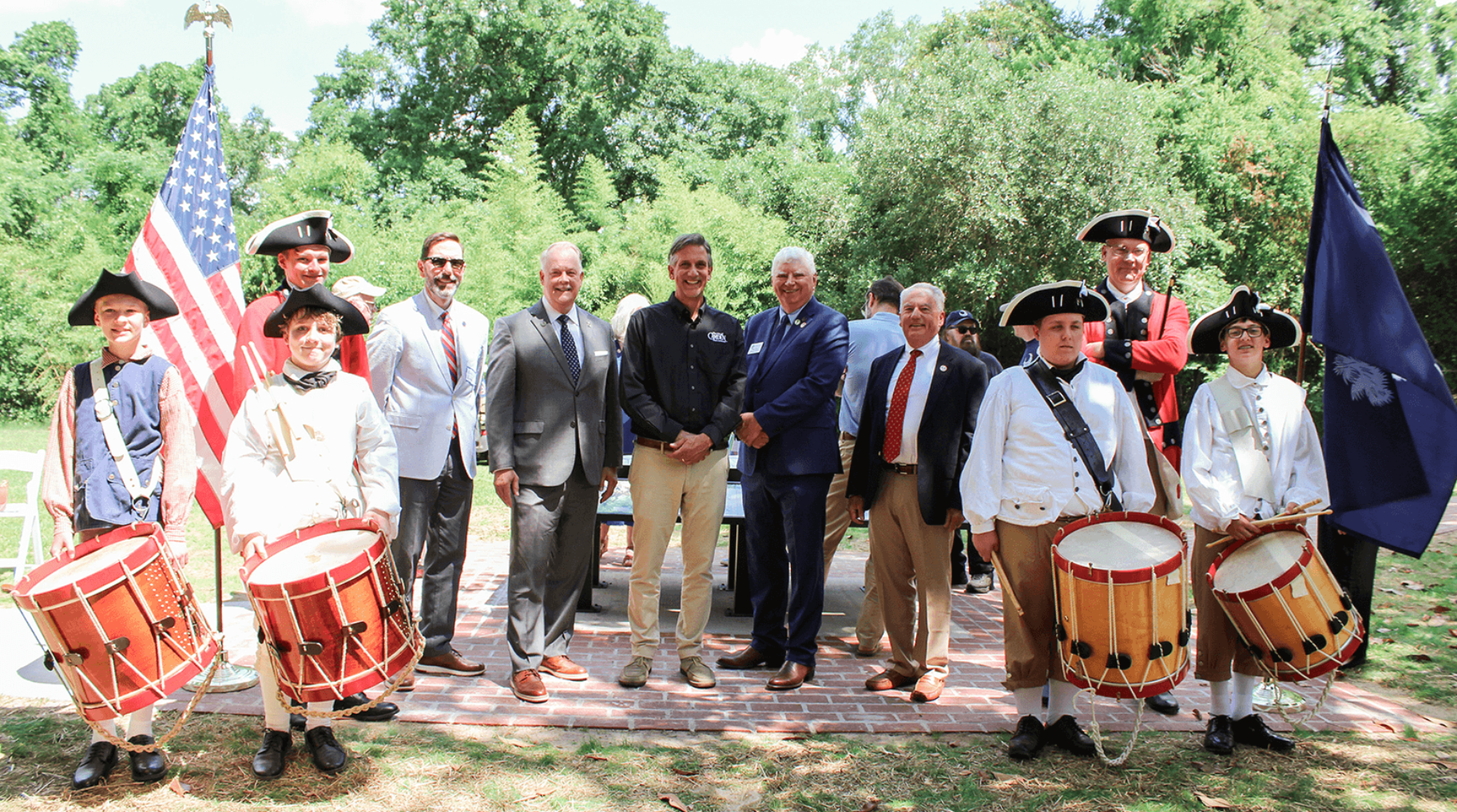
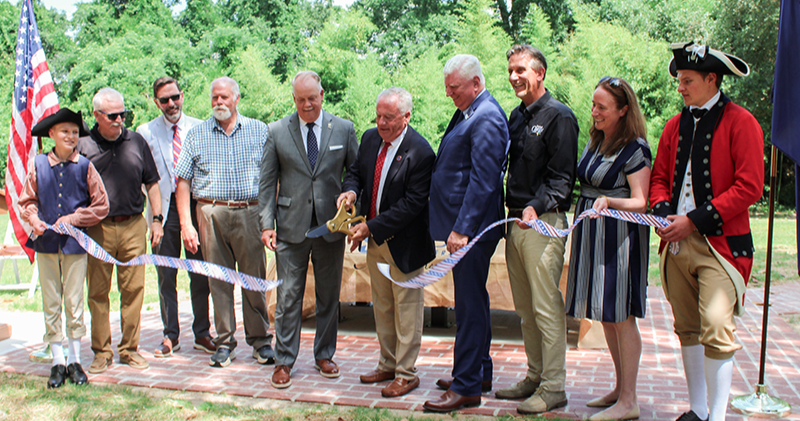
The South Carolina Battleground Preservation Trust was honored to join the American Battlefield Trust, South Carolina American Revolution Sestercentennial Commission (SC250), and the City of Camden on May 18 for the official opening of Hobkirk Hill Battlefield Park in Camden, marking a major milestone in the preservation and interpretation of one of South Carolina’s most significant Revolutionary War battlefields.
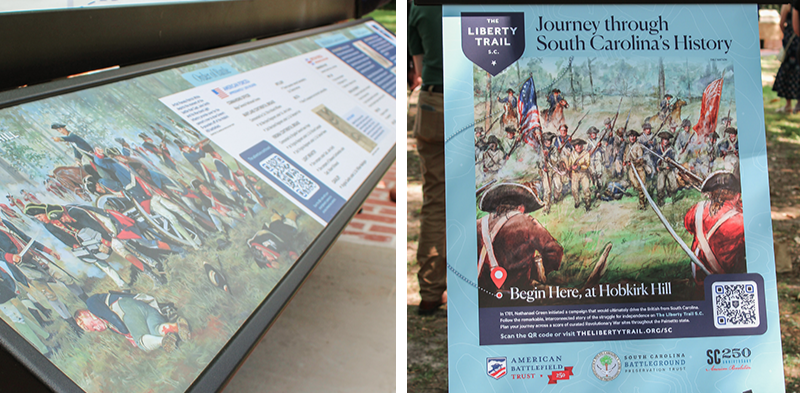
Hobkirk Hill is now a stop on The Liberty Trail, a statewide collection of Revolutionary War battlefields and historic sites that tells the remarkable story of the struggle for American independence through the Palmetto State. The Liberty Trail invites and equips visitors to explore the places where the course of the Revolutionary War was shaped and ultimately won.
Following the Battle of Guilford Courthouse in March 1781, American General Nathanael Greene moved his army toward Camden, an important British stronghold commanded by Lt. Col. Francis Lord Rawdon. Greene occupied Logtown on April 19 and camped near Hobkirk Hill on April 20, hoping British forces would attack him there. The battlefield terrain consisted of pine forest, sandy ground, and nearby swampland.
(story continues below)
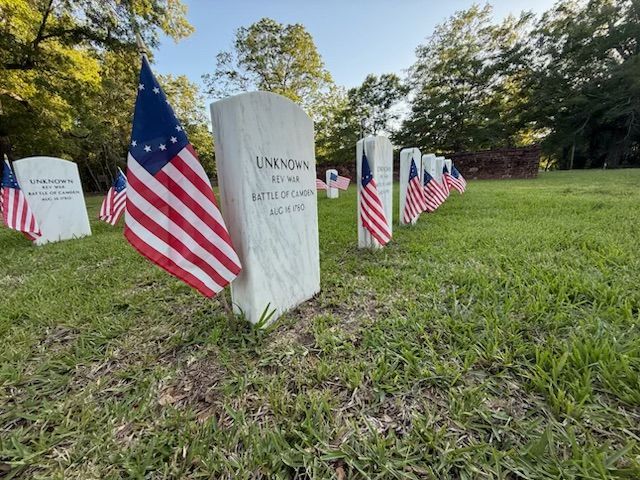
After learning through a deserter that Greene lacked artillery and supplies, Rawdon launched an attack on the morning of April 25, 1781, with approximately 900 soldiers against Greene’s force of about 1,500 men. During the fighting, American forces suffered major setbacks when Captain William Beatty was killed and Lt. Col. Benjamin Ford was mortally wounded, causing confusion among Patriot troops. British soldiers exploited the disorder, stormed Hobkirk Hill, and forced Greene to retreat.
American losses totaled 268 men killed, wounded, or missing, while British casualties reached 258. Despite the defeat, Greene refused to abandon his Southern Campaign. He maneuvered into strong defensive positions and ultimately forced Rawdon to evacuate Camden on May 10, 1781. The loss of Camden proved to be a major blow to British operations and contributed to their retreat toward Charles Town.
“Hobkirk Hill is an important step forward,” said David Duncan, President of the American Battlefield Trust.
Developed through a partnership between the American Battlefield Trust and the South Carolina Battleground Preservation Trust, The Liberty Trail South Carolina connects battlefields across the state while telling the inspiring stories of the people and places that shaped American history.
Today’s unveiling showcased the newly preserved Hobkirk Hill Battlefield Park, which now includes interactive interpretive signage, digital learning connections, a topographic battlefield map, walking access, and visitor parking. The project has transformed an overgrown and largely inaccessible battlefield located within a historic residential neighborhood into an engaging public destination for education, reflection, and heritage tourism.
“Here, we hear the echoes of people from years ago,” Duncan said during the ceremony. “There is power in a place like this.”
Duncan also noted that the Liberty Trail partnership has contributed to the preservation of nearly 900 acres of Revolutionary War battlefield land across South Carolina, including 20 acres at Hobkirk Hill. He said, “Folks, we are just getting started.”
Rick Wise, Executive Director, CEO, and Military Historian for the South Carolina Battleground Preservation Trust, emphasized the importance of continuing preservation efforts and educating the public about South Carolina’s critical role in the American Revolution.
“There is more to come,” Wise said. “It is important for people to understand the role South Carolina played in securing America’s independence.”
The opening of Hobkirk Hill Battlefield Park represents years of collaborative preservation and interpretation work led by SC250, the American Battlefield Trust, and the South Carolina Battleground Preservation Trust.
The event is part of the SC250 initiative, a statewide effort commemorating the 250th anniversary of the American Revolution and highlighting South Carolina’s pivotal role in securing American independence.