George Washington: The General Who Would Not Be Caesar
In choosing retirement over dictatorship, he truly became, in the words of his contemporaries, “first in war, first in peace, and first in the hearts of his countrymen.”
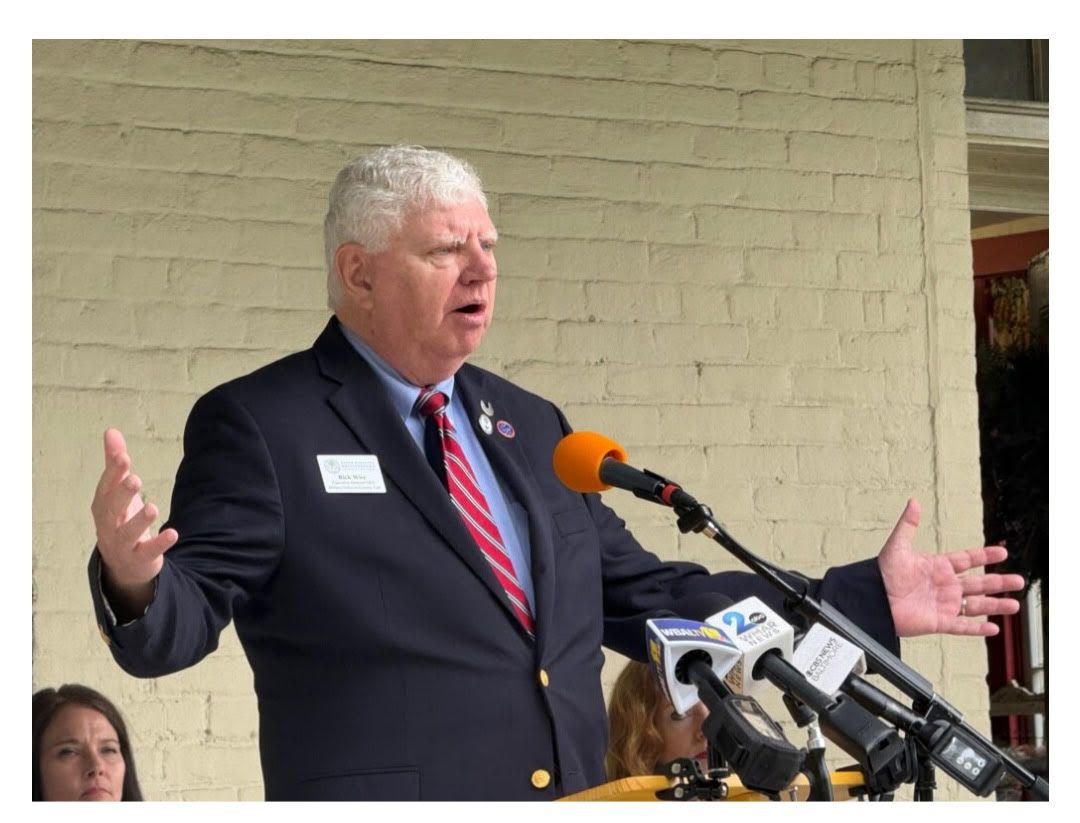
Written by Rick Wise, CEO & Military Historian
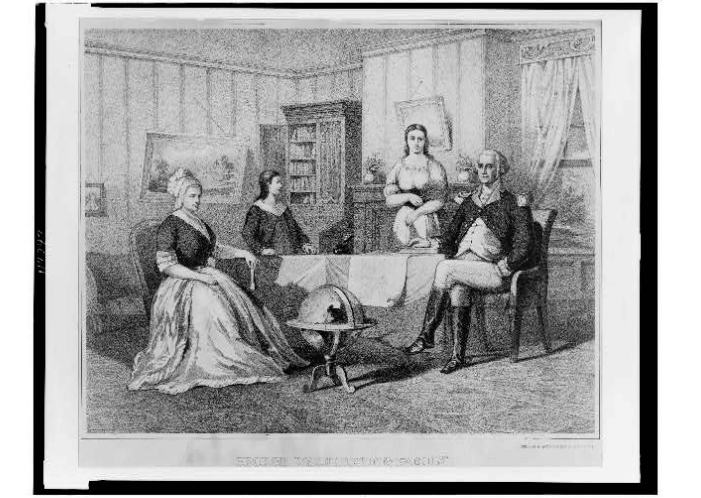
Presidents’ Day honors two great Presidents, George Washington and Abraham Lincoln. Considering that the 250th Anniversary of the Revolutionary War is here, we will focus on the former. General George Washington stands as one of the most remarkable figures in world history. That is based not just on his military service, but also on his extraordinary decision to relinquish power at the height of his glory. He could have shaped America’s future with a single word, should he have desired to do so. Instead, he honored his country’s goal of government by and for the people and did not succumb to the temptations of taking power. Washington’s voluntary retirement set a precedent that distinguished him from the many military leaders before him who took power for themselves.
Washington’s military career can be defined by his perseverance, ability to organize and develop the systems for an army, leadership that transcended economic and social boundaries, and a deep sense of duty that provided a moral determination to succeed. As the Commander-in-Chief of the Continental Army during the American Revolution, he faced daunting odds against the British
Empire, which at the time was the greatest power on earth. His strategic leadership through hardships and retreats was instrumental in saving the army and eventually winning independence from Great Britain.
Can you imagine the pressures of leading an army whose leaders were learning on the job, whose supply systems were in shambles, and whose strength in soldiers deteriorated in the face of their enemy every day? His task to feed, march, and maintain the army was as much a miracle as it was to fight them against such odds and still have an army remaining. He met challenges, and when given opportunity, he crossed the Delaware and punched his enemies in the nose…those of the British type and his doubters in the army and Congress as well.
At Valley Forge, he built upon his ability to inspire unwavering loyalty in his troops and produced a trained professional army that could stand up to British regulars, which was critical to providing the soldiers who fought the critical actions of the Southern Campaigns of the American Revolution that paved the way for the significant victory at Yorktown. Washington’s reputation was achieved by more than battlefield success, which, in review, was most significant in his ability to save his army to fight another day. He was a good judge of capability, as he learned the value of his subordinates, such as Greene and Lafayette. Washington sending Major General Nathanael Greene to take command of the Southern Army played a critical role in winning the war. Washington’s ability to cultivate great subordinate leaders was one of his greatest attributes.
But his reputation is also based on his unwavering commitment to the ideals of liberty and self-governance. The historical precedents of military leaders such as Julius Caesar, Oliver Cromwell, and others were that power based on control of the army was there for the taking. In contrast, George Washington made a decision that shocked the world. After leading the American colonies to independence, he resigned his commission as Commander-in-Chief in December 1783 and returned to private life at Mount Vernon. This act of humility and restraint was so unexpected that King George III reportedly said, “If he does that, he will be the greatest man in the world.” Washington’s actions may be profound to some. But his actions were a pure reflection of the character of man himself, his principles, and his commitment to the goals for which the American Revolution was fought.
Washington’s retirement helped form the base foundations that became the new American republic. His action reinforced the way that he had fought the war, with the premise that the military should remain subordinate to civilian authority. He could have taken his role as the first President of the United States of America to establish his own dynasty. But after two terms as president, Washington again voluntarily stepped down, establishing our nation’s tradition of peaceful transition of power. His example has served as a model for democratic leadership worldwide, setting the United States on a path distinct from so many other nations. In choosing retirement over dictatorship, he truly became, in the words of his contemporaries, “first in war, first in peace, and first in the hearts of his countrymen.”
Happy Presidents’ Day!
Rick