Battlefield research that’s down to earth

October 7, 2024

Leveraging LiDAR for learning

from Jen Howard, Steward Terra Communications
LiDAR image showing horseshoe-shaped Confederate Battery at lower left.

From his office computer in Charleston South Carolina, archaeologist Mike Yianopoulos looks more like a computer researcher or maybe even gamer, than a seasoned field archaeologist and historian. Thanks to LiDAR (Light Detection and Ranging), a modern-ish technology, Yianopoulos is able to look more closely at the surface for clues to past land uses. 


LiDAR dates to the 1960s and continues to see expanding uses. By sending rapid pulses of light from a rapidly firing laser to the surface of the earth, data is collected for a variety of uses. Specifically, archaeologists use LiDAR to study the topography of a site. 


“LiDAR is a great tool for looking at detailed topography," commented Yianopoulos. “It strips away vegetation and gives a good image of old roads, earthworks, creeks, valleys.” 


Today he is looking at the site of the Battle of Stono Ferry, an area that saw not only Revolutionary War action but also includes a Confederate earthwork battery and encampment. The team first used historic documents such as maps, battle summaries and journals as well as local experts and residents to narrow a broad landscape to a targeted area for further investigation. In the case of the Stono Ferry site, Yianopoulos points to a darker green line through a sea of pale green. The contrast indicates a causeway that was an active travel route during the Revolutionary War and Civil War, one that he had seen in old maps. Today, that causeway is not visible through the marsh. The LiDAR also reveals the footprint of an extant Confederate battery that is documented in historic maps, records, and paintings.


“In a rapidly growing region, time is of the essence. The research we conduct through reviewing historical documents and modern technology enables us to narrow the areas that we ground truth, saves precious time and helps us protect battle sites before they are inadvertently lost to other uses. Additionally, we use what we’ve learned to share battle stories with visitors to the site,” he notes. 


Since acquiring 5 parcels in the footprint of the battle of Stono Ferry, SCBPT has been working with American Battlefield Trust to design and develop trails and interpretive signage for Stono Ferry. The site will join other properties statewide, on The Liberty Trail. 


Stay tuned to our Facebook and Instagram pages to be the first to know when the site is officially opened. 
June 29, 2026
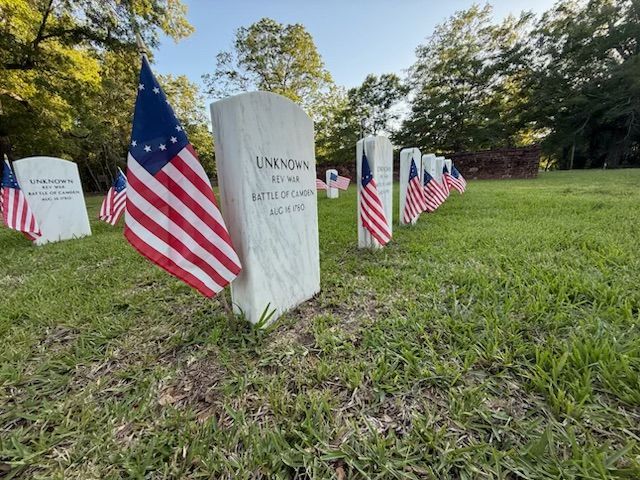
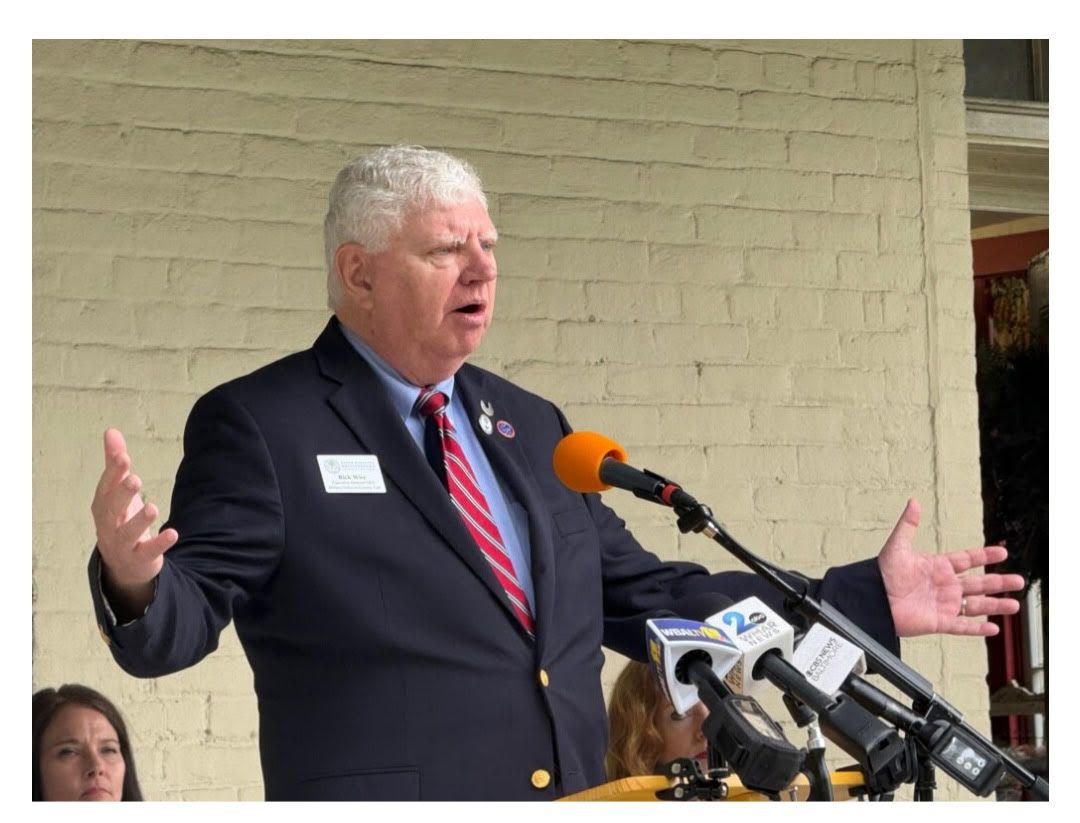
Archaeologists Dr. Steve Smith and Jim Legg worked to find artifacts to tell the story at the Camden Battlefield for over 20 years. They knew the grave was there. The final one to complete the project. Hits from metal detectors again revealed they were in the right place. The grave site was slowly excavated, and hours ran into days. As the grave opening was expanded, the revelation was solemn. Not one, not two, but a total of five soldiers in a grave only about 14 inches deep and no more than four feet wide. They were known as Camden 9A through 9E. Continental USA buttons and other artifacts proved which side they were on. Forensic Anthropologists, Dr. Madeline Atwell and Dr. Bill Stevens meticulously worked to recover the remains, which were removed to the Richland County Coroner’s office. More forensics study was done, and the potential for DNA evidence was contemplated. The late Doug Bostick, Executive Director/CEO of the South Carolina Battleground Preservation Trust, started this amazing journey. His concept to protect and preserve soldiers from graves that were threatened by erosion and other hazards led to the project in the Fall of 2022. The initial plan was to excavate six grave sites. Ultimately, eight grave sites were found and excavated, revealing 14 soldiers. Each was unknown. Artifacts showed the army for which they fought. Possible brigade-sized units were surmised from the location of their graves on the battlefield. They were honored in April 2023 at Bethesda Presbyterian Church in Camden, and at the battlefield where about 400 of their comrades in arms still lie in shallow, unmarked graves. The Continentals now lie at rest in the Presbyterian Burial Grounds, managed by the historic Quaker Cemetery in Camden. And beneath the marble headstones marked “Unknown,” they waited. The Historic Camden Foundation, under Cary Briggs and Stacey Ferguson, led the efforts to determine whether the DNA could possibly be used to determine the identity of any of the recovered soldiers. They contracted Allison Peacock of FHD Forensics and her team to work their genetic and genealogy magic. And it worked. An identity was proven, and an anxious family awaited the official word. And when the word did come, the team effort that made this possible coalesced for the next step in the journey: Rick Wise traveled to Maryland to tell the descendants about their ancestor’s steps and sacrifice during the Revolutionary War. In an emotional address to the family, Wise emphasized the gravity of the moment, noting that it was the first time in nearly 246 years that his name, Private John Pumphrey, was spoken out loud for his relatives to hear his name. Tears flowed from relatives as Wise detailed the harrowing experiences of Pumphrey and the Maryland troops, who marched on battlefields and sites that echo with history: Brandywine, Germantown, Valley Forge, Monmouth Courthouse, and Camden. Wise illustrated their courage in how Pumphrey and his comrades held the line against overwhelming odds at Camden . He characterized their actions as selfless sacrifice, intended to secure the freedoms enjoyed not by themselves, but by generations of Americans, including ours today. The successful DNA identification of Private Pumphrey is a crucial breakthrough, allowing historians and the family to trace his specific journey to the Battle of Camden . Private John Pumphrey is representative of all those who remain in shallow, unmarked graves across the hallowed grounds of the Camden Battlefield. As we approach the 250th Anniversary of America and the Declaration of Independence, let us say a prayer for our first Veterans, who lie in hallowed grounds across our original 13 colonies, who gave their all for a new nation not yet realized, the United States of America.
May 25, 2026
Memorial Day calls us to honor those who did not come home to celebratory ceremonies and flags, but gave their lives to a nation that we must work to make worthy of their sacrifice.
Hobkirk Hill Battlefield Park ribbon cutting
By jen May 21, 2026
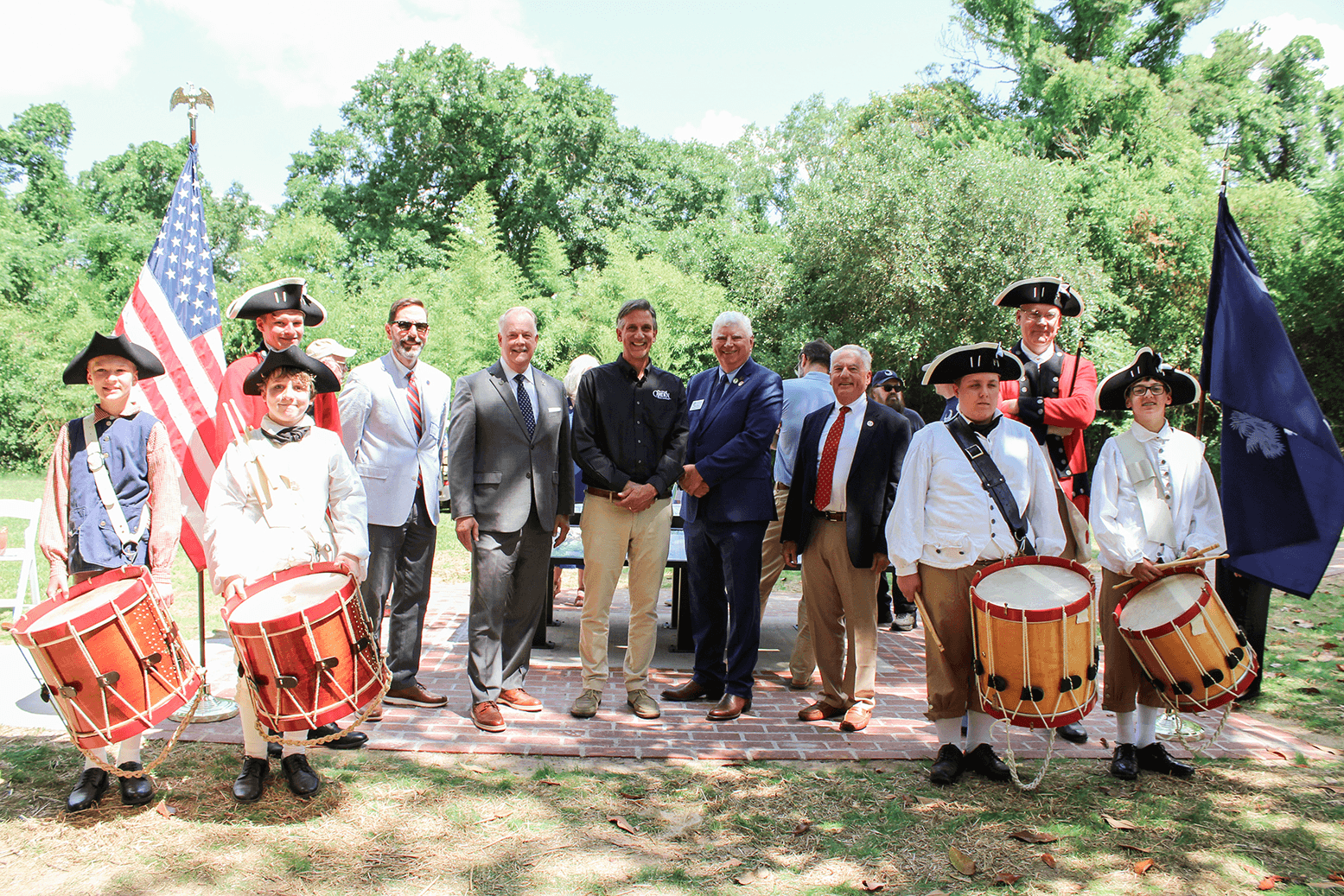
The South Carolina Battleground Preservation Trust was honored to join the American Battlefield Trust, South Carolina American Revolution Sestercentennial Commission (SC250), and the City of Camden on May 18 for the official opening of Hobkirk Hill Battlefield Park in Camden,.
SHOW MORE